
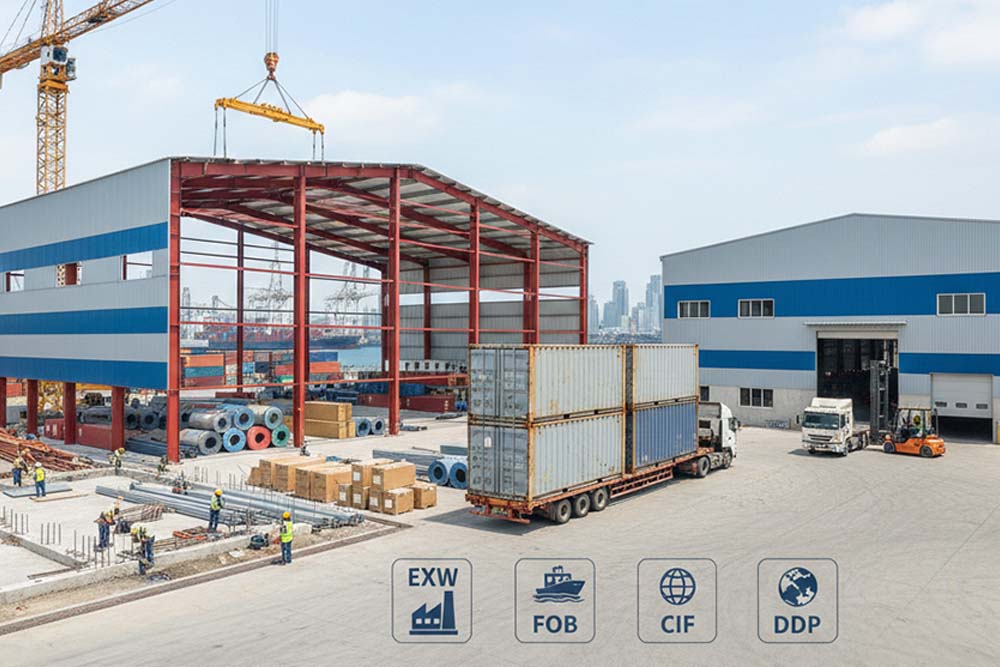
This guide explains the total cost to build a warehouse, and then breaks down the steel warehouse package cost (structure + cladding) versus additional costs like foundations, slab, labor, and MEP.
Typical Steel Warehouse Cost Ranges (Reference Only)
Steel warehouse budgets usually include four cost buckets:
- Building kit / package (factory supply) — main steel frame + roof/wall panels + basic accessories (per spec)
- International shipping — depends on route, container plan, and season
- Import duties & taxes (if applicable) — varies by country and HS code
- Local works — foundation/civil works + installation + equipment (done locally)
Because shipping and local labor costs vary a lot by country, the numbers below are meant to help you build a quick first budget.
Quick cost references (typical ranges)
- Building kit/package (factory supply): $30–$60 / m²
- Insulated cladding upgrade (sandwich panels, if needed): +$6–$10 / m²
- International shipping (export delivery): varies by destination, container volume, and season
- Import duties & taxes (VAT/GST, if applicable): depends on country rules, HS code, and Incoterms
- Local installation + foundation/civil works: varies by labor rates, equipment needs, and site conditions
Simple budget formula
Total budget ≈ Building kit + Shipping + Duties/Taxes + Local foundation & installation
Important note (so you don’t get surprises)
These ranges are for budgeting only. Your final cost mainly depends on:
- building size and span (steel tonnage)
- wind/snow/seismic loads
- panel type (single sheet vs insulated) and thickness
- doors/openings and accessories
- delivery terms (EXW / FOB / CIF / DDP)
If you want a more accurate estimate, please share your location, building size, and intended use — or reach out via our Contact page to get a quick budget breakdown.
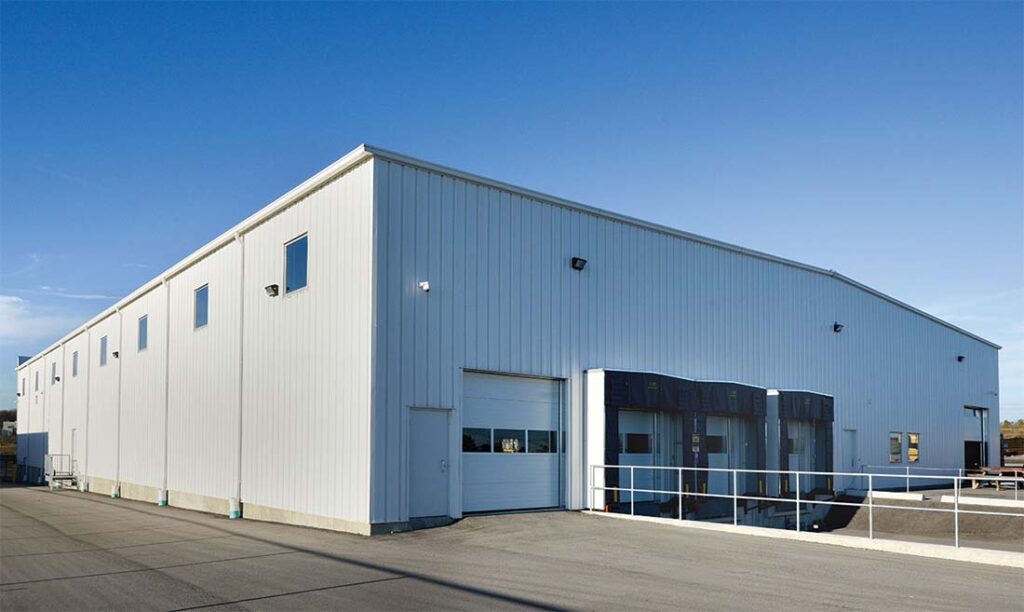
What’s Included in a Steel Warehouse Price?
Typically included in a “building package”
- Primary steel frame (columns/rafters)
- Secondary framing (purlins/girts/bracing)
- Roof & wall cladding (single sheet or sandwich panels)
- Trim, flashing, gutters (if included)
- Basic bolts/fasteners (as specified)
- Drawings (GA / erection drawings) as agreed
Usually NOT included (common exclusions)
- Foundation/civil works
- Local installation labor
- Permits/approvals
- MEP: electrical, plumbing, HVAC, sprinklers
- Site preparation, paving
For a full package scope, see our Warehouse Buildings Product Page.
Key Factors That Affect the Cost to Build a Warehouse
1) Building size & proportions
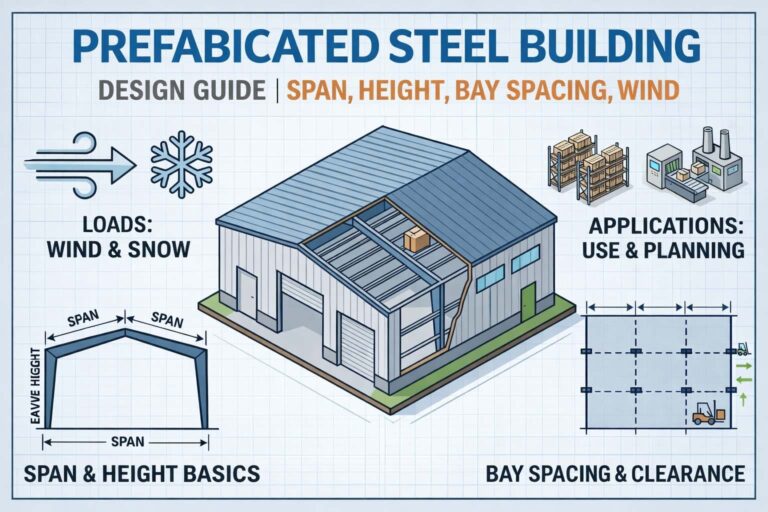
Span × length × eave height drives steel tonnage and cladding area.
2) Design loads (wind / snow / seismic)
Higher loads → heavier sections, more bracing, higher cost.
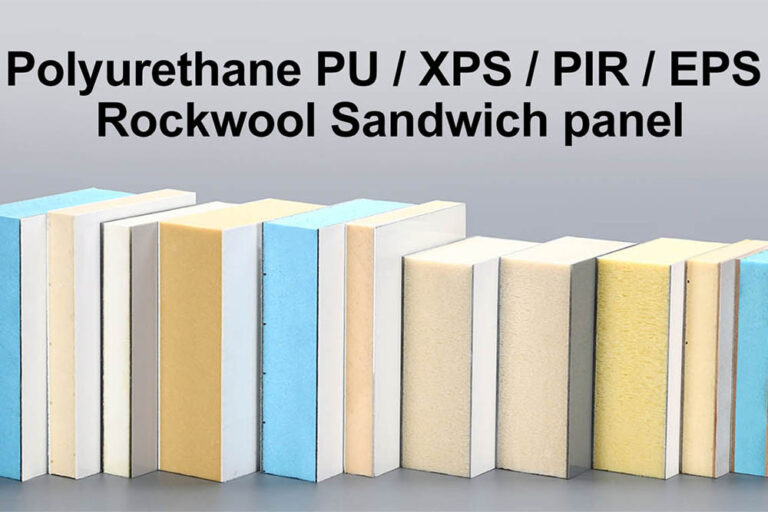
3) Cladding choice: single sheet vs insulated panels
- Single sheet: economical, simple
- Sandwich panels: better thermal performance, higher cost
If you’re comparing insulated options, our warehouse sandwich panels guide breaks down panel types, thickness, and cost impact.
4) Openings & accessories
Big doors, dock doors, canopies, skylights, louvers add cost.
5) Special requirements
Overhead crane, mezzanine, fire strategy, corrosion protection, etc.
Shipping & Delivery Terms (EXW / FOB / CIF / DDP)
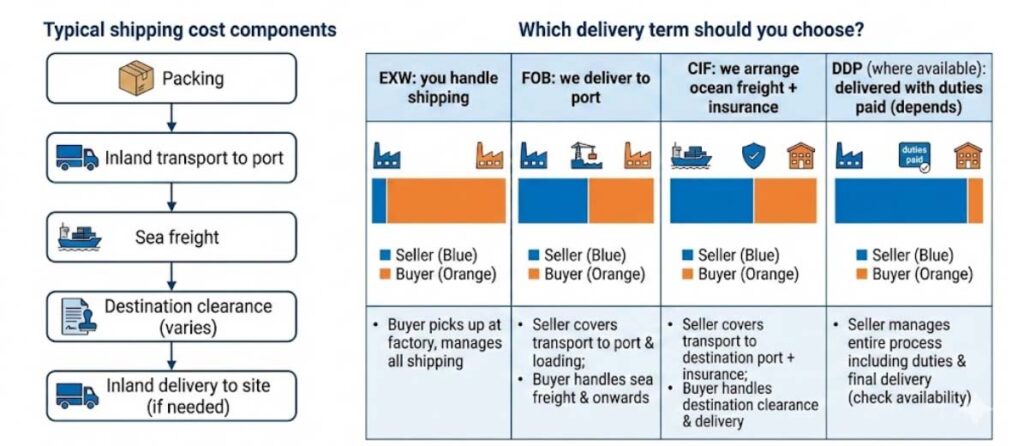
Typical shipping cost components
- Packing
- Inland transport to port
- Sea freight
- Destination clearance (varies)
- Inland delivery to site (if needed)
Which delivery term should you choose?
- EXW: you handle shipping
- FOB: we deliver to port
- CIF: we arrange ocean freight + insurance
- DDP (where available): delivered with duties paid (depends)
Installation Cost & Local Labor Notes
Most buyers hire a local erection team. Installation cost depends on:
- crew size & schedule
- equipment (crane / lift)
- site accessibility
- local labor rates & safety rules
What we can provide:
- erection drawings & bolt list
- remote guidance during installation
- optional on-site technical support (where feasible)
How to Estimate Your Budget (Simple Method)
Step 1 — Define your target size
Span / length / eave height
Step 2 — Decide cladding performance
No insulation / basic / high-performance
Step 3 — Confirm local loads
Wind / snow / seismic (or provide location for estimation)
Step 4 — List openings
Door type, size, quantity; dock doors if needed
Step 5 — Choose delivery term
EXW / FOB / CIF / DDP
Quote Checklist (Copy & Send)
Copy and send:
- Use case (storage / logistics / workshop)
- Location (country/city)
- Size: span × length × eave height
- Wind/snow/seismic requirements (if known)
- Cladding: single sheet or sandwich panels (thickness if known)
- Door list (type + size + quantity)
- Ventilation/daylighting needs
- Special needs (crane/mezzanine/fire/corrosion)
- Delivery term + destination port/site